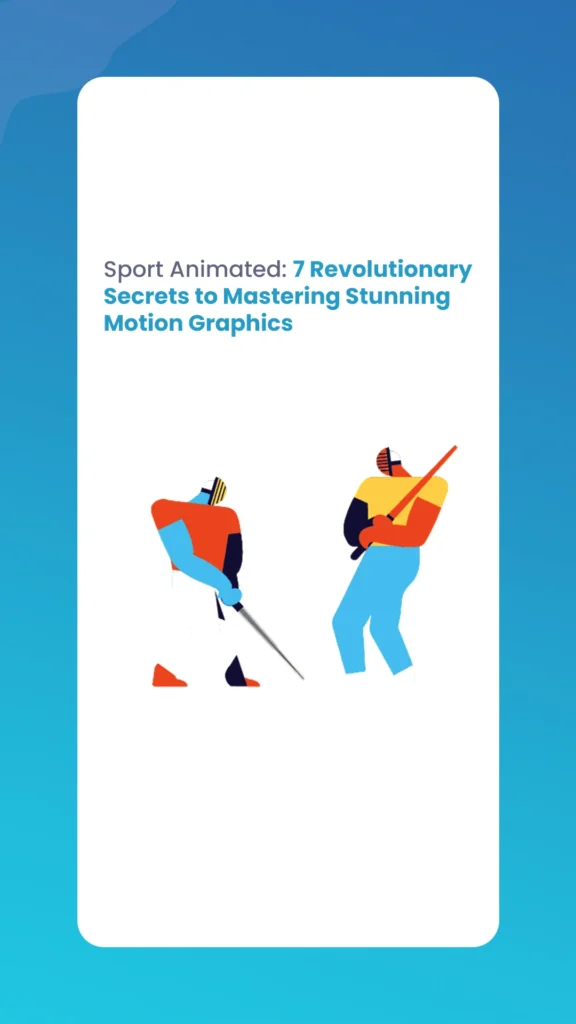
Have you ever wondered why some sports videos just grab your attention and don’t let go? It is not just about the fast players or the loud crowds. In 2026, the magic happens behind the screen with something we call Sport Animated content. This year has brought a huge change in how we see motion. We are moving away from those perfect, shiny statistical looks of the past. Instead, creators at The Morphic Studio are focusing on what feels real and human. If you want to make your sports graphics stand out, you need to know the latest secrets that are making waves right now.
The world of sports is always moving, and your graphics should keep pace. In the past, people were happy with a simple scoreboard or a flat logo. But today, the sports animated industry is worth billions because fans want to feel like they are part of the game. With new updates in 2026, we are seeing more 3D elements and AI being used to tell better stories. It is a very exciting time to be a creator. The Morphic Studio shares seven secrets to help you master these stunning visuals and make your work look professional and engaging for any audience.
Sport Animated
What Is Sport Animated Design and Why Is It Changing in 2026?
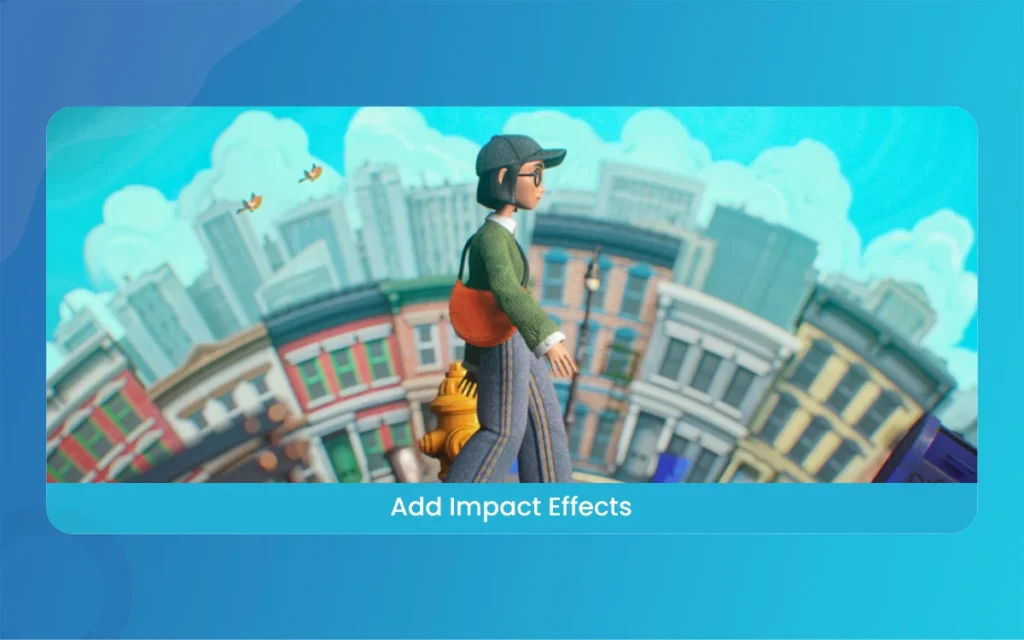
When we talk about Sport Animated design, we are talking about bringing static sports data and images to life. This includes everything from the tiny player stats you see on TV to the massive 3D replays in stadiums. In 2026, the big “update” is all about hyper-realism mixed with a touch of “human messiness.” People are tired of things looking too robotic. They want to see textures like grain, paper, and even hand-drawn lines. This shift is happening because we spend so much time looking at smooth phone screens. Seeing something that looks a bit more “handmade” actually catches the eye much faster than a perfect statistical render.
Another reason why Sport Animated content is develop progress is the speed of technology. We now have tools that can create 3D scenes in real-time. This means that as a player runs across the field, a computer can generate an animated path or a heat map almost instantly. This kind of tech was impossible just a few years ago. Now, it is becoming the standard for big leagues like the MLB and NBA. If you are not using these new styles, your work might start to look a bit old-fashioned. Keeping up with these 2026 trends is the only way to stay relevant in this ruthless field.
7 Revolutionary Secrets to Mastering Sport Animated Visuals
Secret 1: Embracing Organic Imperfection in Sport Animated Loops
One of the biggest secrets in 2026 is what experts call “organic imperfection.” When you are making a Sport Animated loop, try to avoid making every movement perfectly smooth. Real athletes are not robots, they have weight and their movements are sometimes a bit jerky or uneven. By adding subtle grain or “noise” to your textures, you make the animation feel more grounded. You can also try using hand-drawn outlines on your players. This creates a “mixed media” look that is very popular right now. It makes the viewer feel like a human actually sat down and drew the motion, which builds a stronger emotional connection to the sport.
Secret 2: Real-time Physics for Hyper-Realistic Sport Animated Scenes
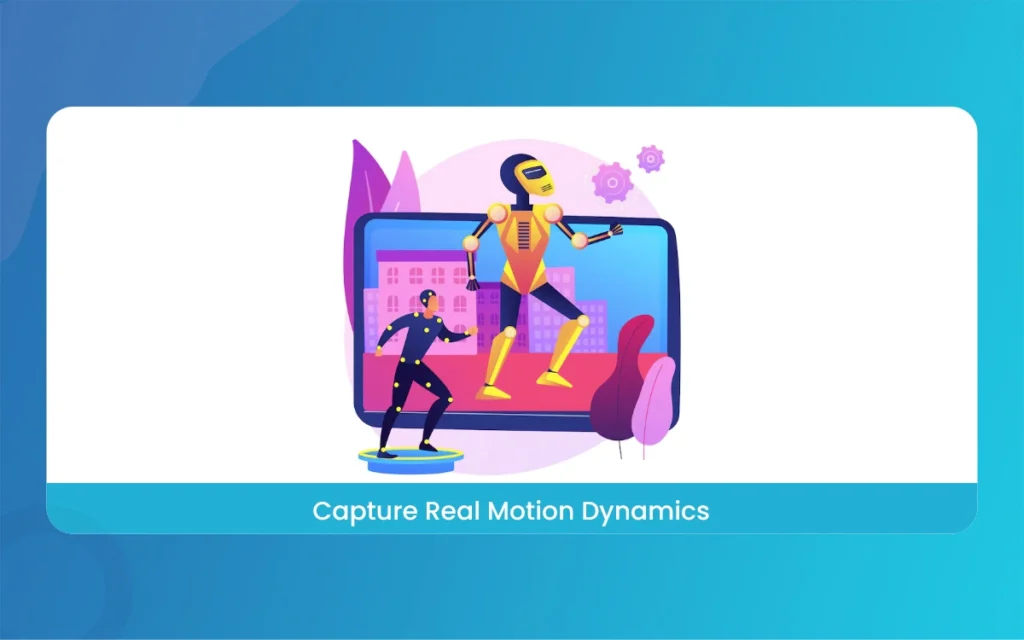
The second secret is using real-time physics engines like Unreal Engine 5. In 2026, we are seeing a massive jump in how objects interact in a Sport Animated environment. If a ball hits the grass, it should not just bounce, it should kick up tiny bits of dirt or flatten the blades of grass. These small details are what make a scene look “stunning.” You don’t need to animate every blade of grass by hand anymore. The software does it for you. This allows you to focus on the creative side of things, like where to put the camera or how to use lighting to make the player look like a hero.
Secret 3: AI-Driven Storytelling for Faster Sport Animated Highlights
Speed is everything in sports. Fans want to see highlights the moment they happen. The third secret is using AI to help with your Sport Animated workflow. New tools in 2026 can now look at a live game and automatically pick out the best moments. Then, it can add pre-made animation templates to those clips. This does not mean the AI is doing your job, it just means you can work faster. You can spend your time fine-tuning the art style while the AI handles the boring parts like cutting the video or syncing the audio. This secret helps you get your content out before anyone else.
Secret 4: Kinetic Typography in Every Sport Animated Sequence
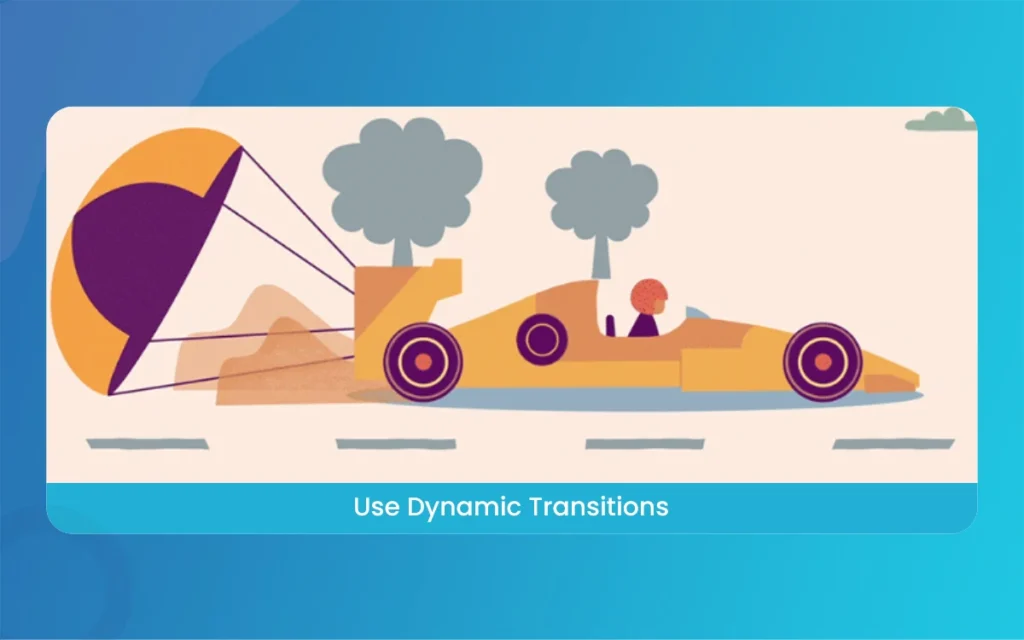
Typography is no longer just for reading, it is for feeling. In 2026, Sport Animated text is bold, loud, and moving. Kinetic typography means making the letters dance along with the action. If a player slams a ball into a hoop, the word “SLAM” should shake and vibrate on the screen. This adds energy to the video. We are seeing a trend where text is used as a physical object in the scene. A player might run behind a giant floating word, or the text might shatter like glass when hit. Using letters in this way makes your graphics feel more three-dimensional and exciting.
Secret 5: The Power of Mixed Media and Hybrid Sport Animated Styles
Why choose between 2D and 3D when you can have both? The fifth secret is using a hybrid style for your Sport Animated projects. This involves taking a 3D model of a stadium and layering 2D, flat illustrations on top of it. This contrast looks amazing and is very “in” for 2026. It gives your work a unique “collage” feel. You can use this to show complex data, like a player’s speed or heart rate, in a way that is easy to understand. By mixing these styles, you create a visual depth that keeps the audience looking at the screen for longer.
Secret 6: Data Visualization as a Core Sport Animated Element
Fans today are smarter than ever. They love stats and numbers. The sixth secret is turning that data into a Sport Animated masterpiece. Instead of just showing a list of numbers, you should animate them. Show the path of the ball with a glowing line, or use a “halo” effect around a player to show their influence on the field. In 2026, data graphics are becoming more “providing.” This means the numbers look like they are actually floating on the field during the live broadcast. It helps the viewers Follow the strategy of the game while they watch the action.
Secret 7: Providing Soundscapes for Sport Animated Graphics
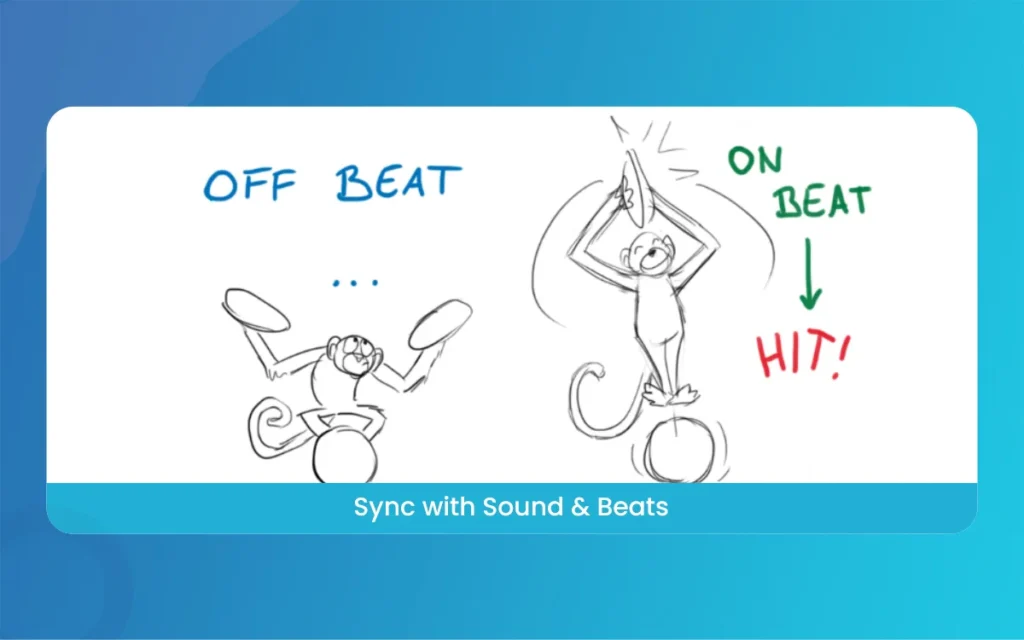
Most people forget about sound, but it is half of the experience. The final secret for a great Sport Animated video is the soundscape. In 2026, we use “spatial audio” to make the viewer feel like they are standing in the middle of the pitch. When your graphics move, they should make a sound. A quick swoosh, a heavy thud, or the roar of a crowd can make a simple animation feel huge. Make sure your visual movements are perfectly timed with the audio cues. This creates a “satisfying” feeling for the viewer, which is why they will keep coming back to your channel or website.
Sport Animated
Important Comparison Points for Sport Animated Styles
Instead of a table, here are the basic differences between the traditional styles and the new 2026 updates:
Visual Texture: Traditional styles used to be very clean and glossy, but the 2026 update focuses on “analog” textures like paper, grit, and film grain to feel more human.
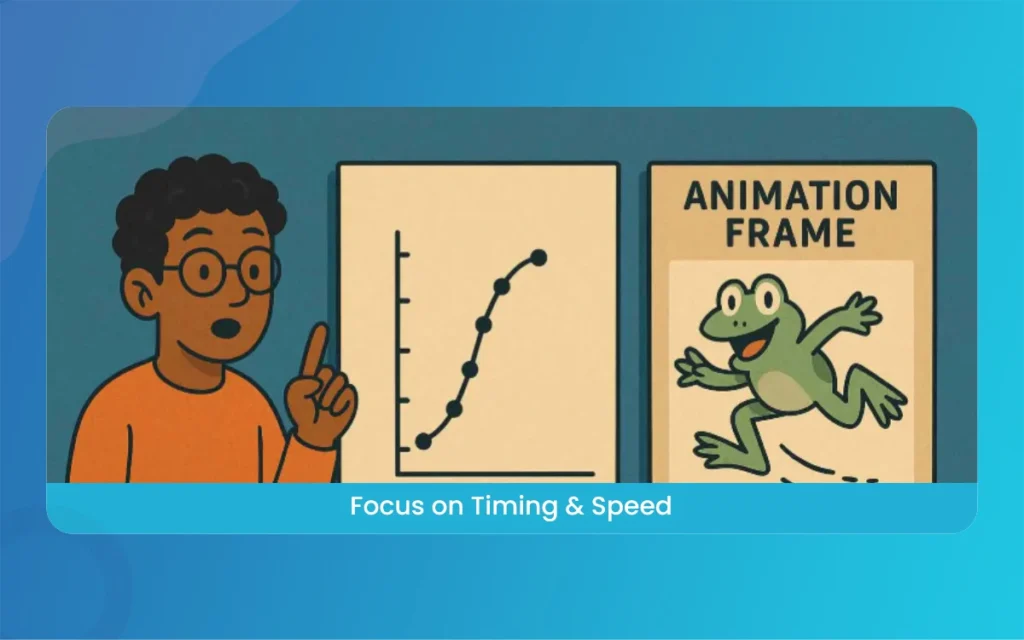
Movement Speed: Older animations were often very linear and smooth, whereas modern Sport Animated content uses “variable timing,” which means some parts are fast and others are slow to mimic real human movement.
Depth of Field: Before, everything on the screen was usually in focus, but now we use a “shallow” depth of field to make the important players pop out from the background.
Interactivity: In the past, graphics were just “overlays,” but today they are “integrated,” meaning they react to what the players are doing on the field in real-time.
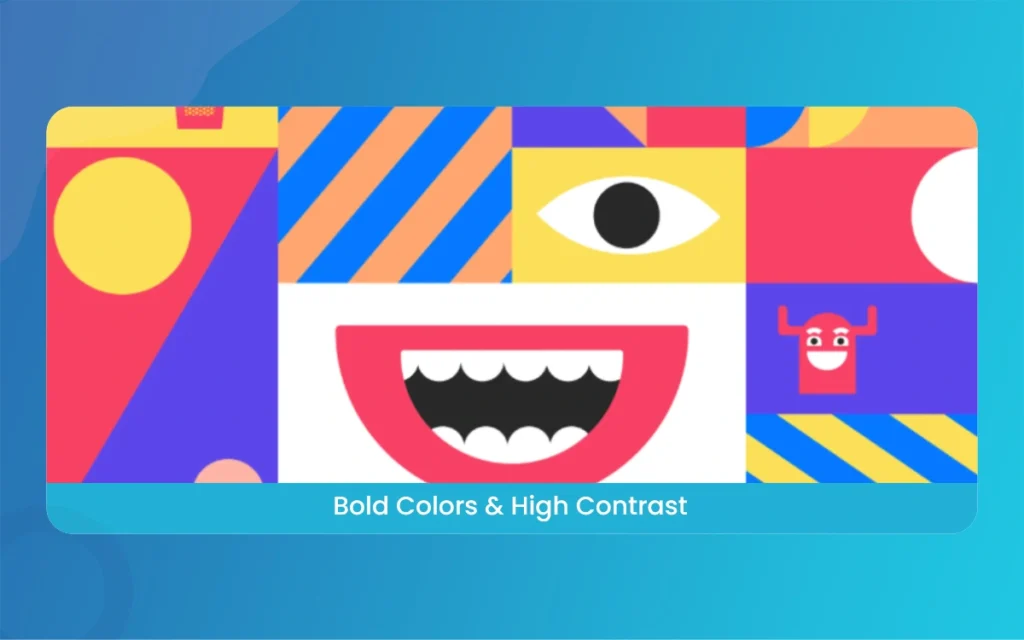
Color Palettes: We are moving away from simple primary colors and toward more “sophisticated” palettes, like neon mixed with earthy tones, which is a major trend for 2026.
Sport Animated
Common Tools for Creating Sport Animated Projects in 2026
To get started with these secrets, you need the right gear. Many professionals at The Morphic Studio use a mix of classic and new software. Adobe After Effects is still the king for 2D and typography, but it has received many AI updates in 2026 that make it much faster. For the heavy 3D stuff, Blender and Cinema 4D are the best choices. They now allow you to see your lighting and textures instantly, which saves a lot of time.
If you are looking for that “real-time” feel, you should definitely check out Unreal Engine. It was originally for video games, but now it is used for almost every big Sport Animated broadcast. It allows you to create massive stadiums and realistic weather effects like rain or snow. Also, don’t forget about mobile tools. There are now apps that allow you to create simple sports graphics right on your tablet, which is great for social media managers who need to post updates quickly.
The Future of Sport Animated Content: What is Next?
As we look past 2026, the world of Sport Animated design is only going to get more providing. We are already seeing “haptic” graphics that let viewers feel the game’s vibrations through their devices. Imagine watching a football match and feeling the impact of a tackle through your phone. This is the next frontier for motion designers. We will also see more “personalized” graphics. This means the stats you see on your screen might be different from what your friend sees, based on which players you like the most.
Sport Animated
In conclusion, mastering Sport Animated visuals is about more than just knowing how to use software. It is about following the human side of sports and using new technology to bring those emotions to life. By using organic textures, real-time physics, and AI, you can create something truly special. The goal is to make the viewer feel the game’s energy. If you follow these seven secrets, you will be well on your way to creating stunning motion graphics that people will think of for a long time. Keep practicing, and don’t be afraid to make mistakes, because that is how the best art is often made!
Related Article
September 1, 2026
Augmented Reality News: 7 Exclusive Breakthroughs for an Incredible Year | The Morphic Studio
Navigating the Latest Augmented Reality News Environment Welcome to another exciting deep dive into the statistical universe brought to you by The Morphic Studio. If you have been keeping up with tech headlines lately, you already know that statistical overlays and spatial computing are changing how we interact with our physical surroundings. The year 2026 […]
September 1, 2026
VR Horror Games: 13 Incredible Titles for a Brutal Scare – The Morphic Studio
Welcome to the ultimate guide for anyone looking to test their nerves inside a headset. When you strap a display to your face, flat screen rules no longer apply. VR Horror Games You are no longer watching a character run from danger on a distant monitor, because you are right there in the middle of […]
August 31, 2026
Meta Quest 4 Release Date: The Master Guide to 2026’s Most Incredible VR | The Morphic Studio
Virtual reality has traveled a long road over the last few years. We have moved from bulky, tethered headsets that needed expensive gaming computers to sleek, standalone machines that fit right inside a small travel backpack. If you follow immersive technology here at The Morphic Studio, you already know that Meta has been leading the […]