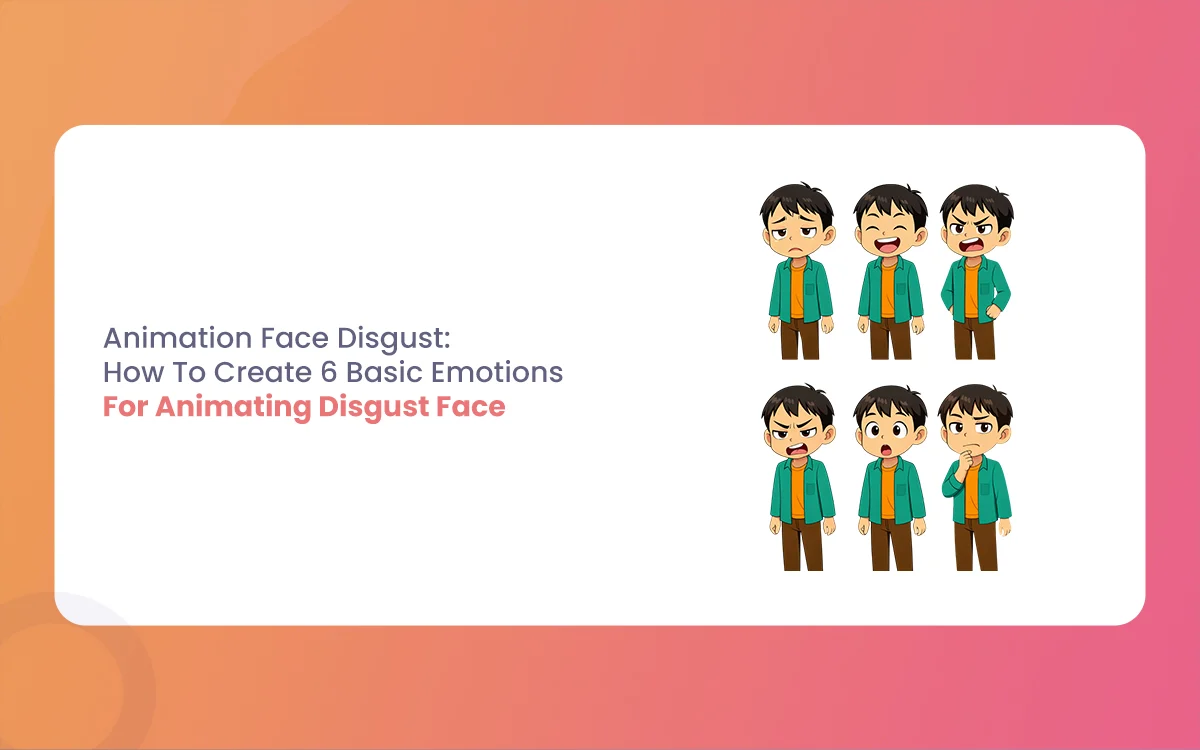
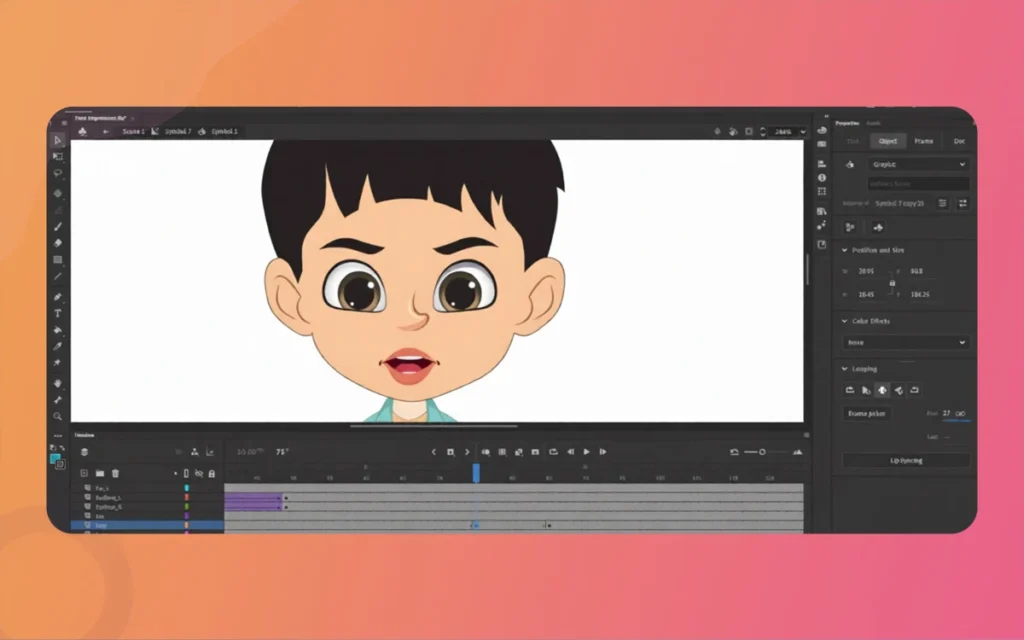
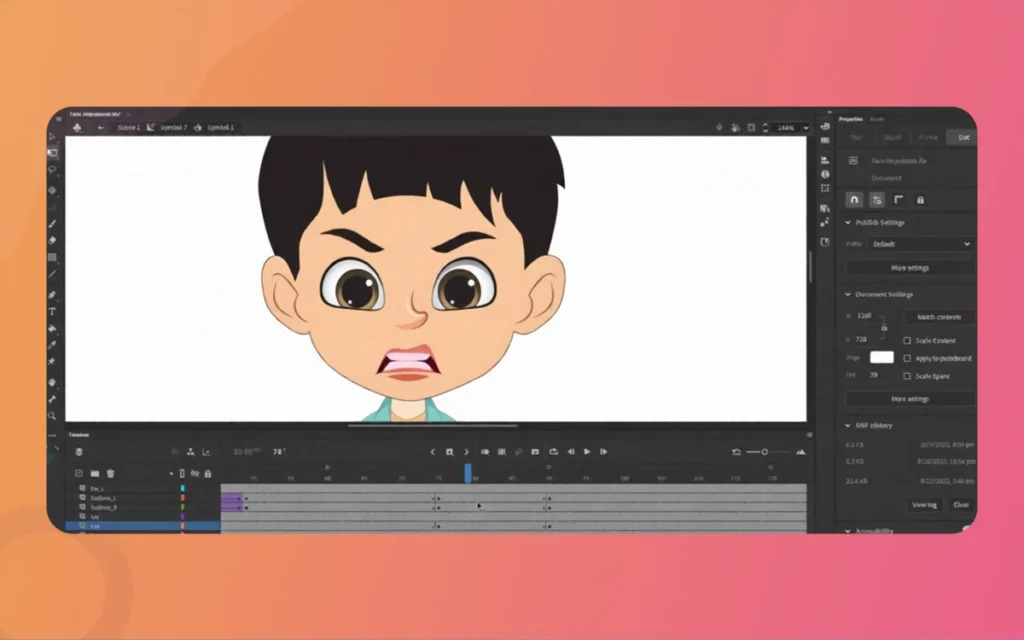
When you sit down to animate a character, you aren’t just moving vertices or bones; you are actually translating a human soul into a statistical medium. The most difficult part is often the “ugly” emotions, specifically disgust.In the world of 2026, where hyper-realism is the standard for most indie games and films, getting Animation Face Disgust right is the difference between a believable character and a “uncanny valley” nightmare.
Disgust is a primal “get away from me” signal that humans recognize instantly, so your character’s face needs to scream “gross” without saying a word.
Why Mastering Animation Face Disgust Matters in 2026
We have come a long way since the early days of simple blend shapes.
With the latest 2026 updates in engines like Unreal Engine 6 and the newest Blender 5.0 releases, we have more control over micro-expressions than ever before.
The focus on Animation Face Disgust is vital because it is a “complex” basic emotion.
It isn’t just a frowny face, it is a visceral physical reaction that involves the respiratory system and the sense of taste.
If your character looks at a plate of rotten food or a betrayal from a friend, the audience needs to feel that same “ick” factor in their own throat.
Animation Face Disgust
The Science of Aversion: Breaking Down Animation Face Disgust
To really nail this, we have to look at the Facial Action Coding System, or FACS. Professional animators use specific Action Units, known as AUs, to build a library of expressions.
For Animation Face Disgust, the most important one is AU9, which is the nose wrinkler. When you wrinkle your nose, the skin around the bridge of the nose bunches up, and this naturally pulls the upper lip upward.
It is a domino effect of muscle movement that creates that classic “stink face” we all know.
The Core Mechanics of Animation Face Disgust
The eyes play a sneaky role in this emotion too. While the nose and mouth do the heavy lifting, the eyes usually narrow or squint.
This is a protective reflex, as if the character is trying to keep the “gross” thing out of their sight.
Lowering the eyebrows slightly, but not as aggressively as you would in anger, adds that layer of judgment. If you leave the eyes wide open, the character will look surprised or scared instead of disgusted, so watch those lids carefully.
Animation Face Disgust
Step-by-Step Guide to Creating Animation Face Disgust in Modern Software
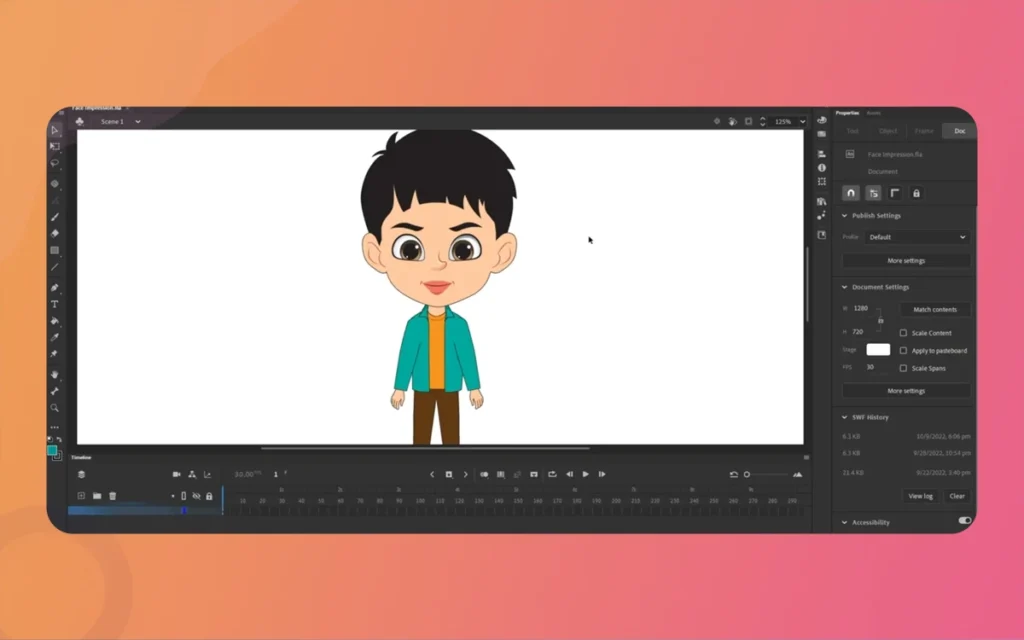
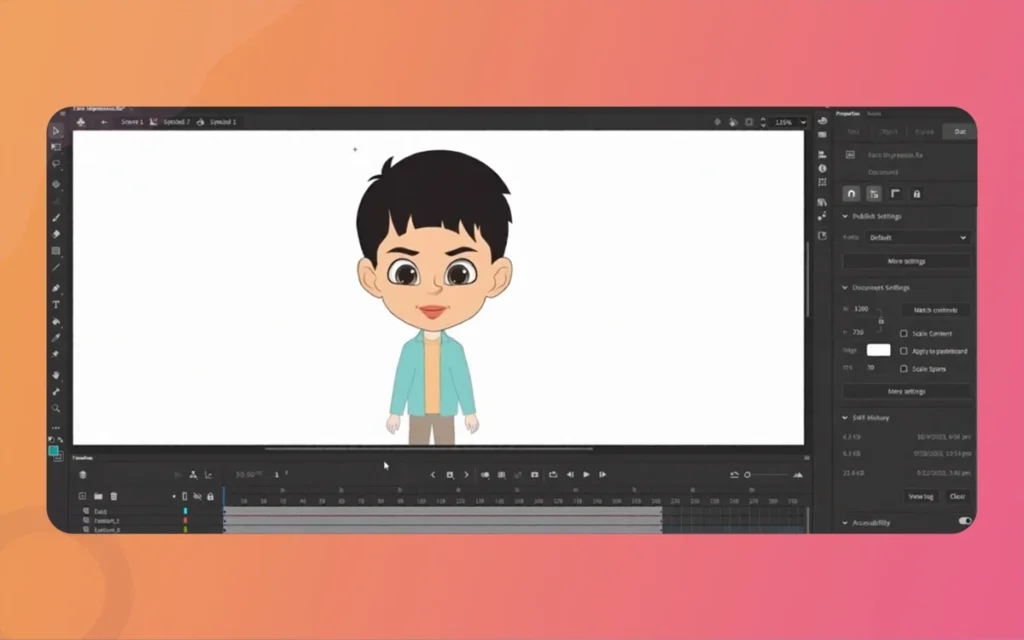
Start by setting your “Basis” shape basic in your 3D software of choice.
You want to make sure your mesh is clean and the topology allows for those tight folds around the nose. In the 2026 toolsets, we often use “smart-wrinkle” maps that trigger automatically when the nose is raised.
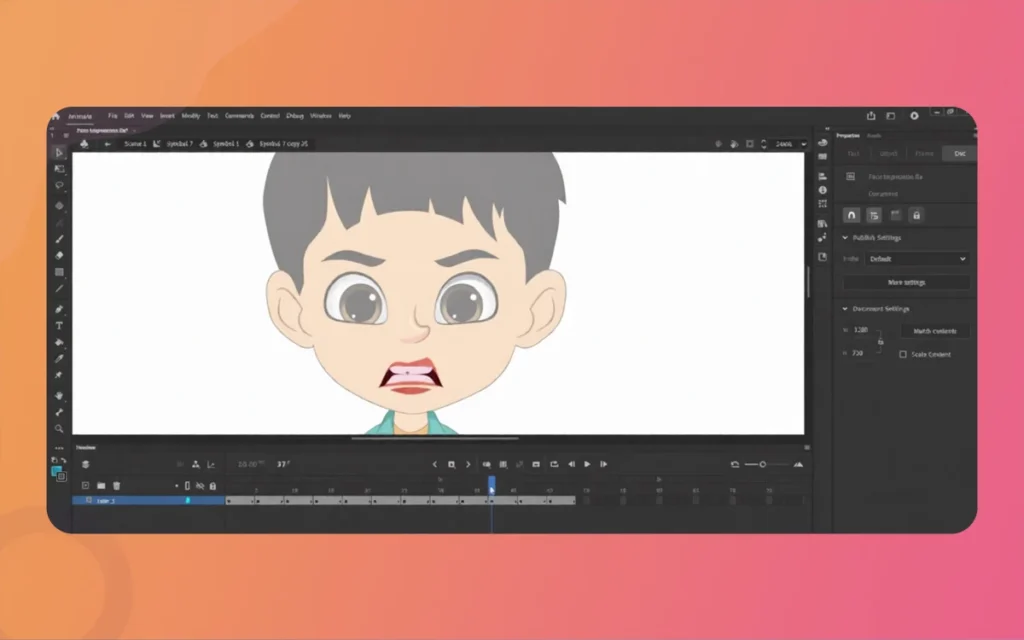
First, pull the “NoseWrinkle” slider to about 0.8, because you rarely want a full 1.0 intensity unless it is a cartoon.
Next, work on the upper lip curl, making sure it pulls slightly toward the nostrils.
One “pro” trick for Animation Face Disgust is to use asymmetry.
Humans are rarely perfectly symmetrical when they are disgusted, so try curling the left side of the lip a bit more than the right.
This adds a touch of “sneer” or contempt, which makes the character feel like they have a personality.
Add a slight “Chin Raise” to push the bottom lip up against the top one.
This creates a sealed look that says the character is literally refusing to “swallow” or accept what is in front of them.
Animation Face Disgust
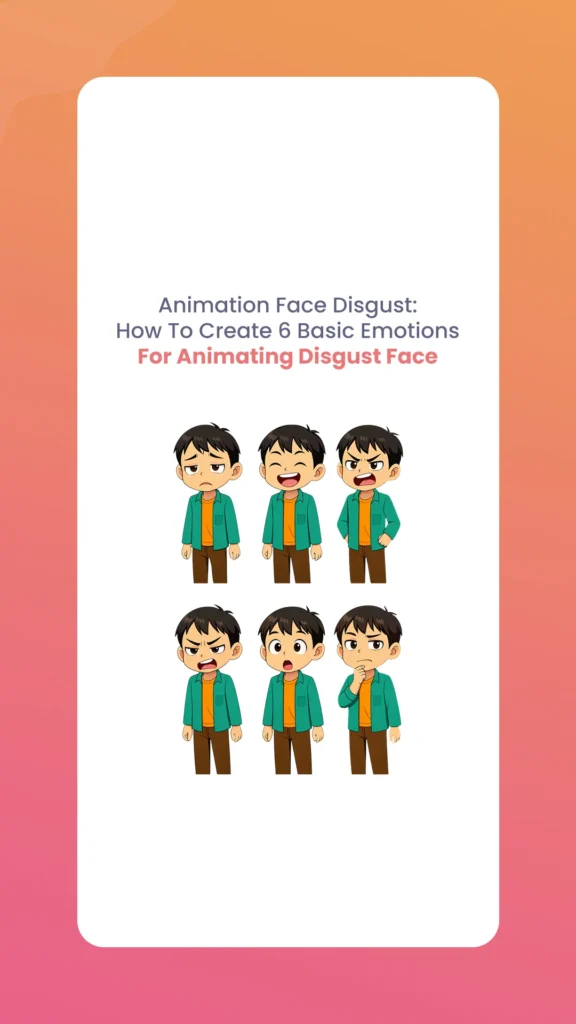
How Animation Face Disgust Fits Into the 6 Basic Emotions
Disgust is one of the pillars of the “Big 6” emotions, alongside joy, sadness, anger, fear, and surprise.
Follow how Animation Face Disgust interacts with the others is how you create transitions.
An emotion rarely exists in a vacuum.
Maybe a character starts with surprise, then moves into disgust as they realize what they are looking at.
If you can’t blend these smoothly, the animation will look “poppy” and robotic, which is exactly what we want to avoid in high-quality studio work.
It is so easy to accidentally animate anger when you meant to animate Animation Face Disgust.
The basic difference is the mouth and the nose bridge.
In anger, the lips usually stretch horizontally or form a “square” shape to show teeth for a “bite” or a shout.
In disgust, the mouth is usually pushed upward and compressed.
Fear involves wide eyes and a dropped jaw, whereas disgust is “tight” and closed off.
Always keep a mirror on your desk to check your own face, because your muscles don’t lie.
Animation Face Disgust
Advanced Tips for Realistic Animation Face Disgust
Don’t forget the neck muscles!
When someone is truly disgusted, they often pull their head back or tilt it away.
The “Sternocleidomastoid” muscles in the neck might tense up just a bit.
In the 2026 animation pipelines, we use “secondary motion” to handle this automatically, but you should still check the curves.
The timing of the emotion is also basic, as disgust usually hits fast, like a flinch, and then lingers as a sour expression.
Animation Face Disgust
Summary of Facial Landmarks for 6 Basic Emotions
Instead of a table, let’s look at the basic points for the 6 basic emotions so you can compare them to Animation Face Disgust:
Happiness: The corners of the mouth pull up, the cheeks lift, and “crow’s feet” wrinkles appear near the eyes.
Sadness: The inner corners of the eyebrows pull up and together, the lips pout slightly, and the jaw stays relaxed.
Anger: Brows are lowered and drawn together firmly, the eyes glare, and the lips are often tightened or squared.
Fear: Eyebrows are raised and pulled together, the upper eyelids are high, and the mouth is usually open and stretched.
Surprise: The whole face expands, brows are arched high, eyes are wide, and the jaw drops without any tension.
Disgust: The nose is wrinkled deeply, the upper lip is raised and curled, and the cheeks are pushed up, narrowing the eyes.
Final Thoughts on Animating the Face
Animation Face Disgust tells a story without words. Blender, Maya, or studio tools all rely on the same human anatomy principles. Keep transitions smooth. Allow characters to look “ugly” for realism. Check 2026 software updates for new skin-tension features.
Master these six basic emotions to help your characters connect with the audience.
Augmented Reality News: 7 Exclusive Breakthroughs for an Incredible Year | The Morphic Studio
Navigating the Latest Augmented Reality News Environment Welcome to another exciting deep dive into the statistical universe brought to you by The Morphic Studio. If you have been keeping up with tech headlines lately, you already know that statistical overlays and spatial computing are changing how we interact with our physical surroundings. The year 2026 […]
September 1, 2026
VR Horror Games: 13 Incredible Titles for a Brutal Scare – The Morphic Studio
Welcome to the ultimate guide for anyone looking to test their nerves inside a headset. When you strap a display to your face, flat screen rules no longer apply. VR Horror Games You are no longer watching a character run from danger on a distant monitor, because you are right there in the middle of […]
August 31, 2026
Meta Quest 4 Release Date: The Master Guide to 2026’s Most Incredible VR | The Morphic Studio
Virtual reality has traveled a long road over the last few years. We have moved from bulky, tethered headsets that needed expensive gaming computers to sleek, standalone machines that fit right inside a small travel backpack. If you follow immersive technology here at The Morphic Studio, you already know that Meta has been leading the […]