In the fast-paced world of game development, staying ahead of the curve isn’t just about having the best ideas; it’s about how fast and effectively you can bring those ideas to life. If you have spent any time in a dev studio lately, you know the pressure is real. Players in 2026 expect cinematic quality, endless content updates, and zero bugs.Trying to do all of that with a small, in-house team is like trying to build a skyscraper with a single hammer. It’s exhausting and, quite frankly, a recipe for burnout.This is where Game Art Outsourcing steps in. It’s no longer just a “cheap alternative” or a way to save a few bucks on 3D models. Today, it is a strategic partnership that allows studios to scale up their creative vision without the massive overhead of a permanent army of artists.
Whether you are an indie dev working on a passion project or a AAA studio handling a massive open world, outsourcing has become the secret sauce for success.
The 2026 Environment: Why Game Art Outsourcing is Different Now
Before we dive into the benefits, we have to talk about how much things have changed this year. In 2026, we are seeing the “AI-Native” revolution. AI isn’t replacing artists, but it is supercharging them. Leading partners like The Morphic Studio are now using AI-assisted pipelines to handle the “grunt work” like texture tiling or basic rigging, allowing human artists to focus on the high-level soul of the game.
Studios are also moving toward “LiveOps” models where the game is never truly finished. You need new skins, new environments, and new assets every single month. Managing that internally is a logistical nightmare. Outsourcing provides the elastic capacity to meet these demands without having to hire and fire staff every time a new season drops.
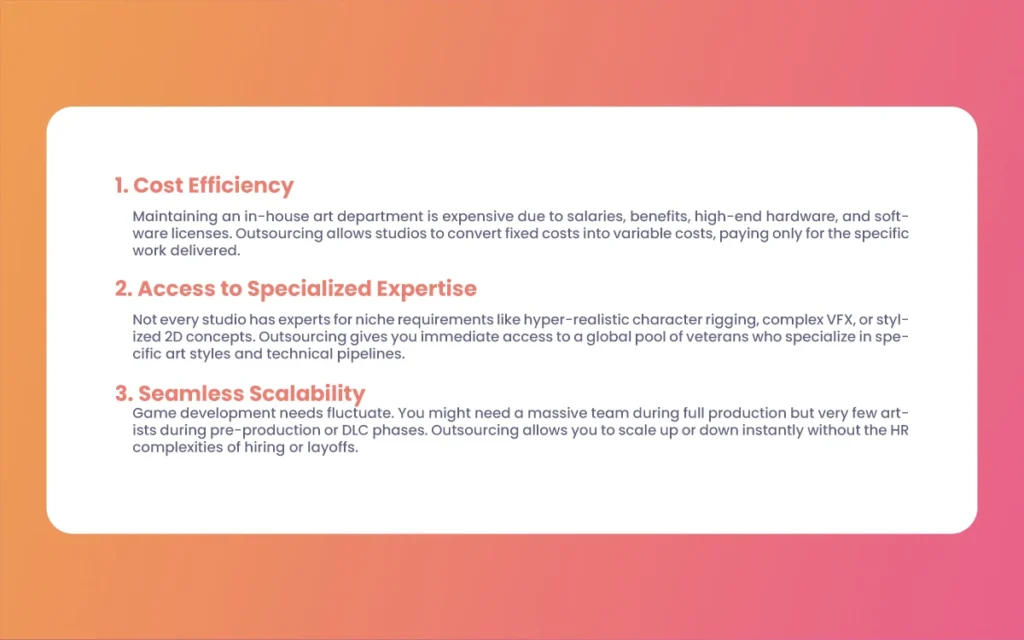
Let’s be honest, game development is expensive. Hiring a full-time senior character artist in 2026 involves more than just a salary. You’re looking at health insurance, high-end workstations, software licenses that seem to get pricier every year, and office space (if you’re not fully remote).
When you choose Game Art Outsourcing, you are essentially converting fixed costs into variable costs. You pay for the assets you need, when you need them. This flexibility is a lifesaver for studios that need to keep their burn rate low during the pre-production or prototyping phases. Plus, you save a fortune on recruitment costs and the “onboarding lag” that happens when a new hire takes three months to get up to speed.
Game Art Outsourcing
2. Instant Access to Specialized Skillsets
Not every game needs a full-time expert in fluid simulations or hyper-realistic hair grooming. However, when you do need those things for a specific boss fight or a cinematic, you want the best. One of the biggest perks of Game Art Outsourcing is that it gives you a “menu” of specialized talent.
Instead of hunting for a unicorn artist who can do everything, you can partner with a studio that already has a diverse roster. Need 2D concept art that feels like a 1920s noir film? They have a person for that. Need 3D environments optimized for the latest VR headsets? They have a team for that too. This specialized focus ensures that every part of your game looks like it was made by an expert, because it was.
Game development is famously “lumpy.” You might spend six months in a quiet design phase and then suddenly need 500 unique props for a city environment in eight weeks. Trying to scale an in-house team that quickly is impossible, you just can’t vet and hire people fast enough.
Game Art Outsourcing acts like an accordion for your studio. You can expand your production capacity almost instantly by bringing in an external “pod” of artists. When the heavy lifting is done, you scale back down. This prevents the “crunch culture” that has plagued the industry for decades. Your core team stays happy and focused on the “hero assets,” while your outsourcing partner handles the volume.
Game Art Outsourcing
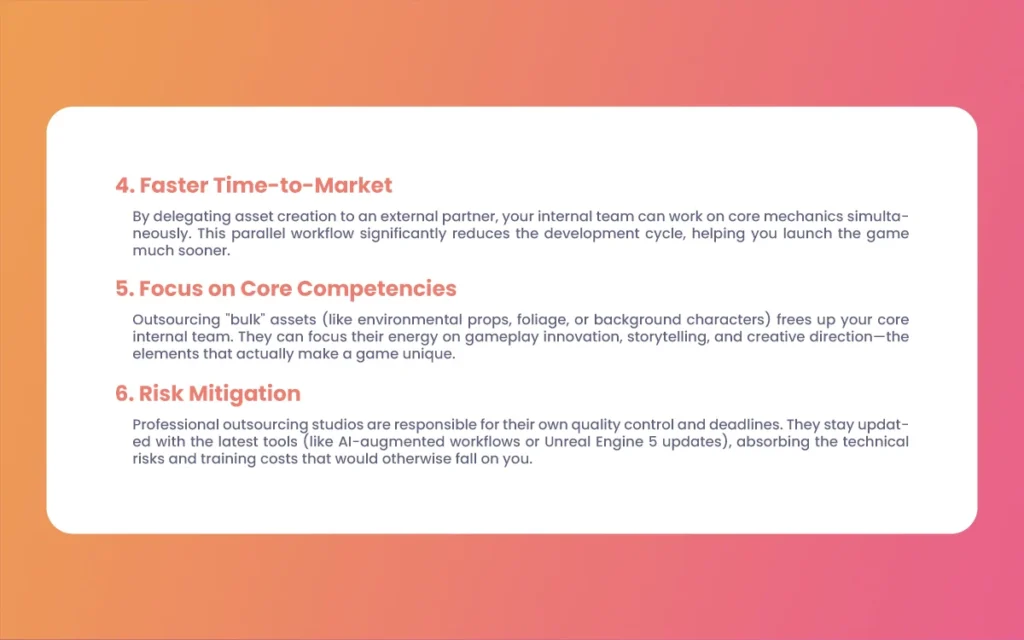
4. Faster Time-to-Market in a Competitive World
In 2026, the window of relevance for a new game is smaller than ever. If your development cycle drags on for five years, your tech might be obsolete by the time you launch. Speed is a competitive advantage.
By delegating the time-consuming art production to a Game Art Outsourcing partner, your internal team can focus on gameplay mechanics, story, and polish. While your partner is churning out high-quality environmental assets, your programmers are tightening the controls. This parallel processing can shave months, or even years, off your development timeline, getting your game into the hands of players while the hype is still fresh.
Sometimes, being too close to a project for too long can lead to “tunnel vision.” You and your team might get stuck in a certain way of thinking. Bringing in an external art team can provide a much-needed breath of fresh air.
Experienced outsourcing studios work on dozens of different projects across various genres. They bring a wealth of “cross-pollinated” knowledge. They might suggest a new lighting technique they used on a recent sci-fi project that would look amazing in your fantasy RPG. This collaborative spirit often leads to innovations that your internal team might never have considered.
6. Risk Mitigation and Quality Assurance
Every new hire is a risk. What if they don’t mesh with the team? What if their portfolio was a bit… optimistic? When you work with an established Game Art Outsourcing company, that risk is heavily mitigated.
These firms live and die by their reputation. They have their own internal Quality Assurance (QA) processes and art directors who ensure that every asset meets your “Art Bible” specifications before it ever reaches your inbox. If an artist on their end gets sick or leaves, it is their job to fill the gap, not yours. You get a guarantee of delivery that is much harder to maintain with a purely internal team.
At the end of the day, what makes your game “yours”? Is it the 30th generic wooden crate in the background, or is it the unique combat system and the emotional story?
Most developers want to spend their time innovating, not micromanaging the production of background props. Game Art Outsourcing allows your “A-Team” to stay focused on the “soul” of the game. When you offload the heavy production work, your lead designers have the mental bandwidth to tackle the hard problems, like player retention and unique mechanics, which are the things that actually get you those five-star reviews.
Instead of a traditional table, let’s look at the key differences between keeping everything in-house versus utilizing Game Art Outsourcing in today’s market:
Setup Speed: In-house teams require weeks of recruiting and hardware setup, whereas an outsourced partner can usually kick off a project within days of a signed contract.
Skill Diversity: An in-house artist is usually a generalist or a specialist in one area, but outsourcing gives you access to a “collective brain” of artists across 2D, 3D, VFX, and UI/UX.
Management Overhead: Managing an in-house team requires HR, 1-on-1 meetings, and career pathing. With outsourcing, you manage the output and the milestones, not the people.
Technological Edge: In 2026, keeping up with the latest AI tools and rendering engines is expensive. Outsourcing studios invest in this tech so you don’t have to, ensuring your assets are always “future-proofed.”
Long-term Commitment: In-house staff are a long-term financial and legal commitment. Outsourcing is project-based, allowing you to breathe easier if your project scope changes or gets delayed.
Is Outsourcing Right for You?
As we move further into 2026, the question for most studios isn’t if they should outsource, but how much. The benefits of Game Art Outsourcing are simply too significant to ignore in a world where quality and speed are the primary drivers of success.
By partnering with a studio like The Morphic Studio, you aren’t just getting “work for hire,” you are gaining a creative extension of your own team. You get the freedom to dream bigger, the tools to build faster, and the peace of mind that comes with knowing your art is in professional hands.
In the end, your players don’t care who made the assets; they just care that the world you built for them is beautiful, immersive, and fun to be in.
Related Article
April 8, 2026
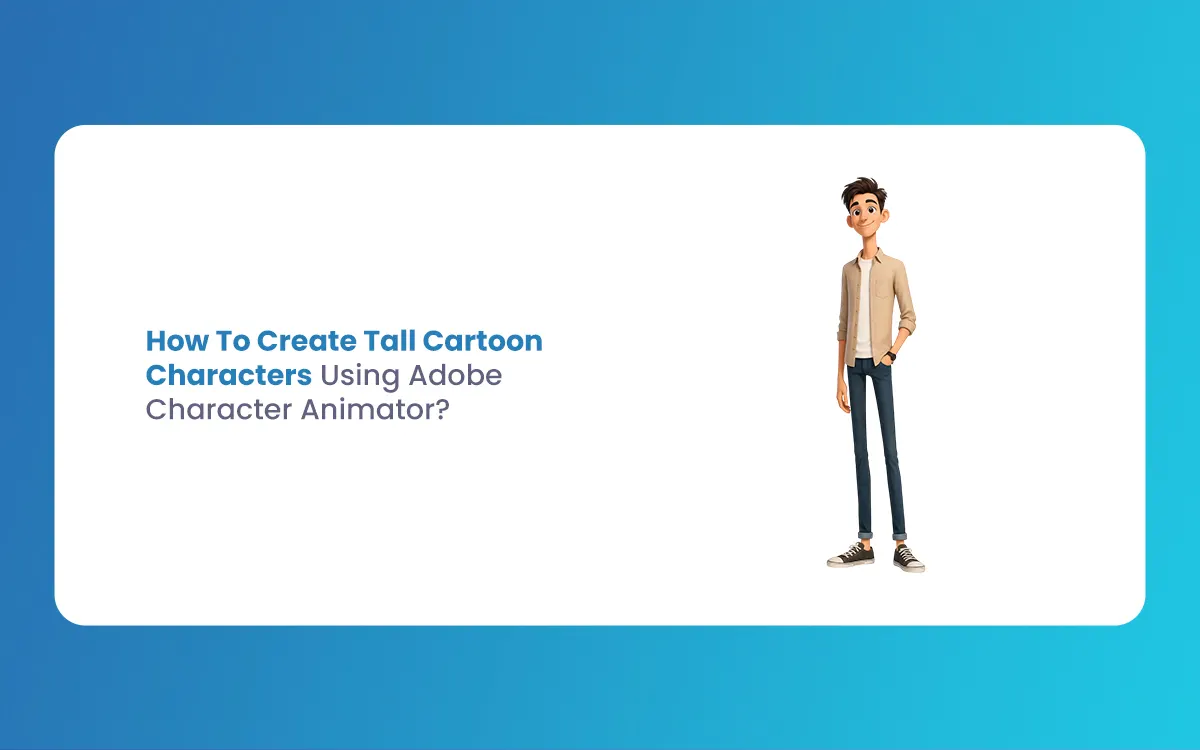
How To Create Tall Cartoon Characters Using Adobe Character Animator? (Education Guide)
Animation design combines art and logic, especially when it comes to your cast’s proportions. If you want to make a character stand out, literally, making them tall is a classic move. Whether it is a lanky basketball player, a towering giant, or a slender fashion icon, Tall Cartoon Characters bring a unique dynamic to any […]
April 7, 2026
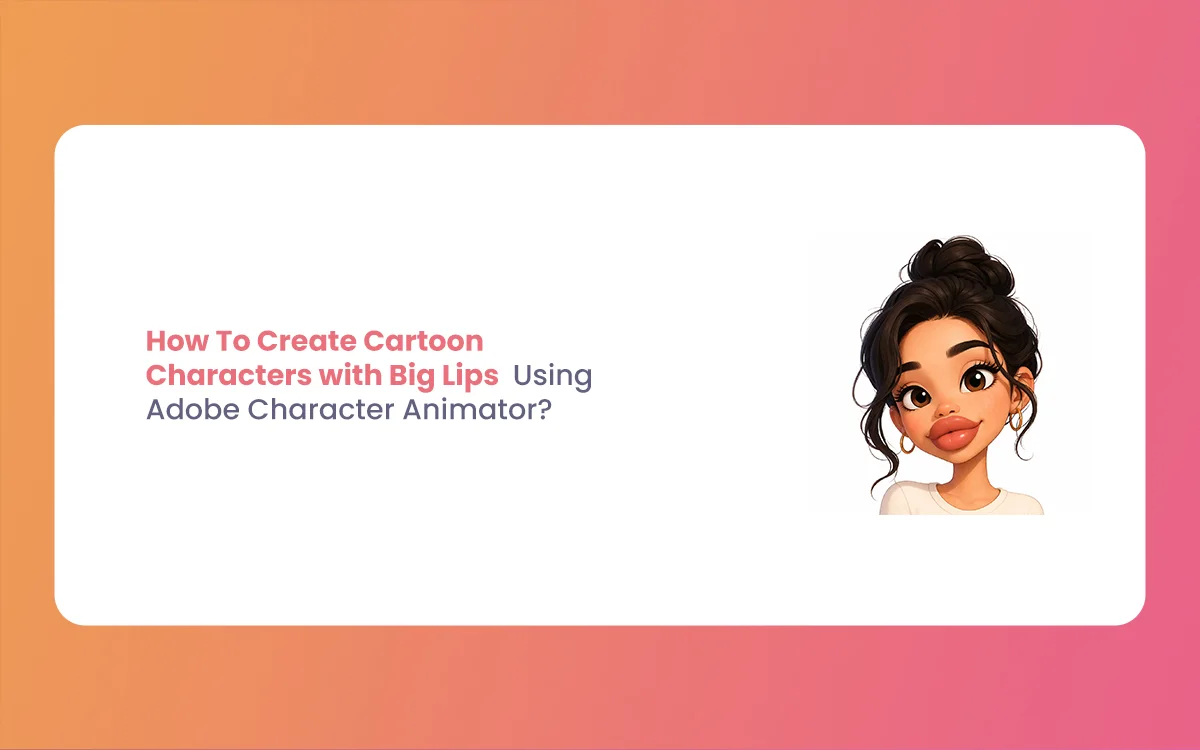
How To Create Cartoon Characters with Big Lips Using Adobe Character Animator? (Education Guide)
Welcome back to The Morphic Studio! Ever wondered why some cartoon faces “pop” more than others? Designing unique features is what makes a character memorable. Today, we are diving deep into a specific attractive choice that adds tons of personality and expression: Cartoon Characters with Big Lips. In 2D animation, the mouth is the window […]
April 7, 2026
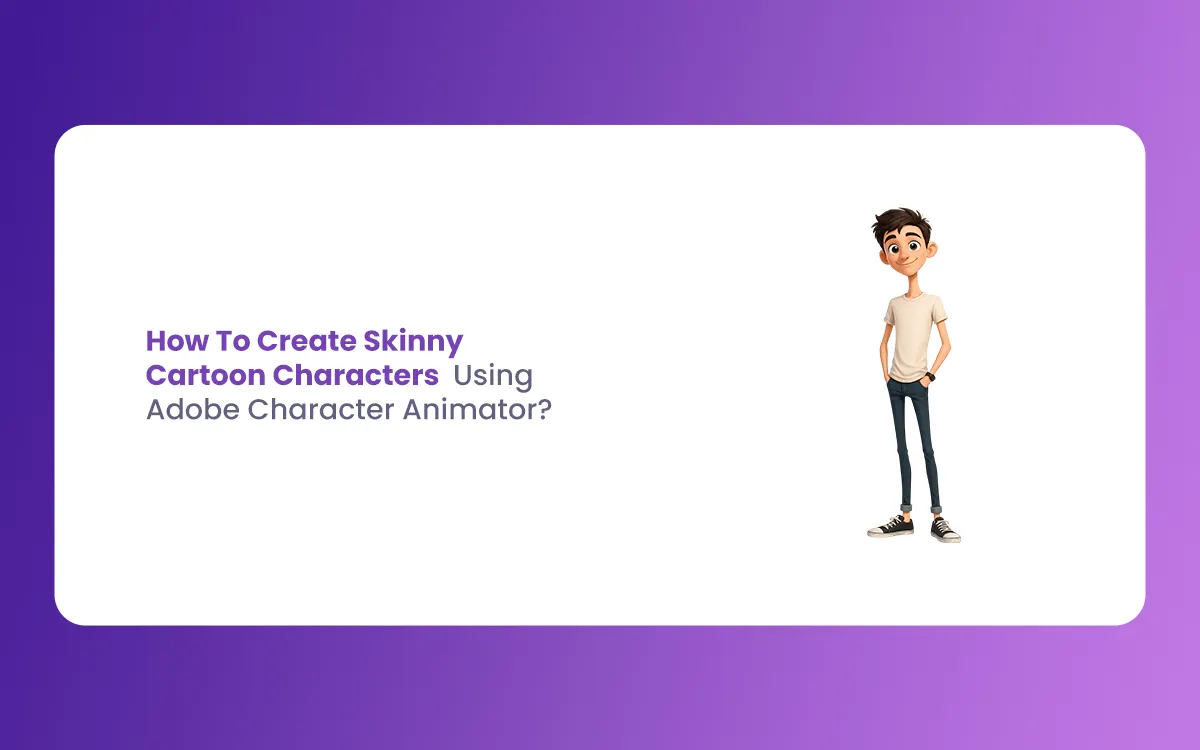
How To Create Skinny Cartoon Characters Using Adobe Character Animator? (Education Guide)
Creating Skinny Cartoon Characters is a unique challenge in the world of 2026 statistical animation. While bulky characters are easy to rig because they have a lot of “meat” on their bones, thin characters require a delicate touch so their limbs do not look like broken noodles when they move. With the new 2026 updates […]