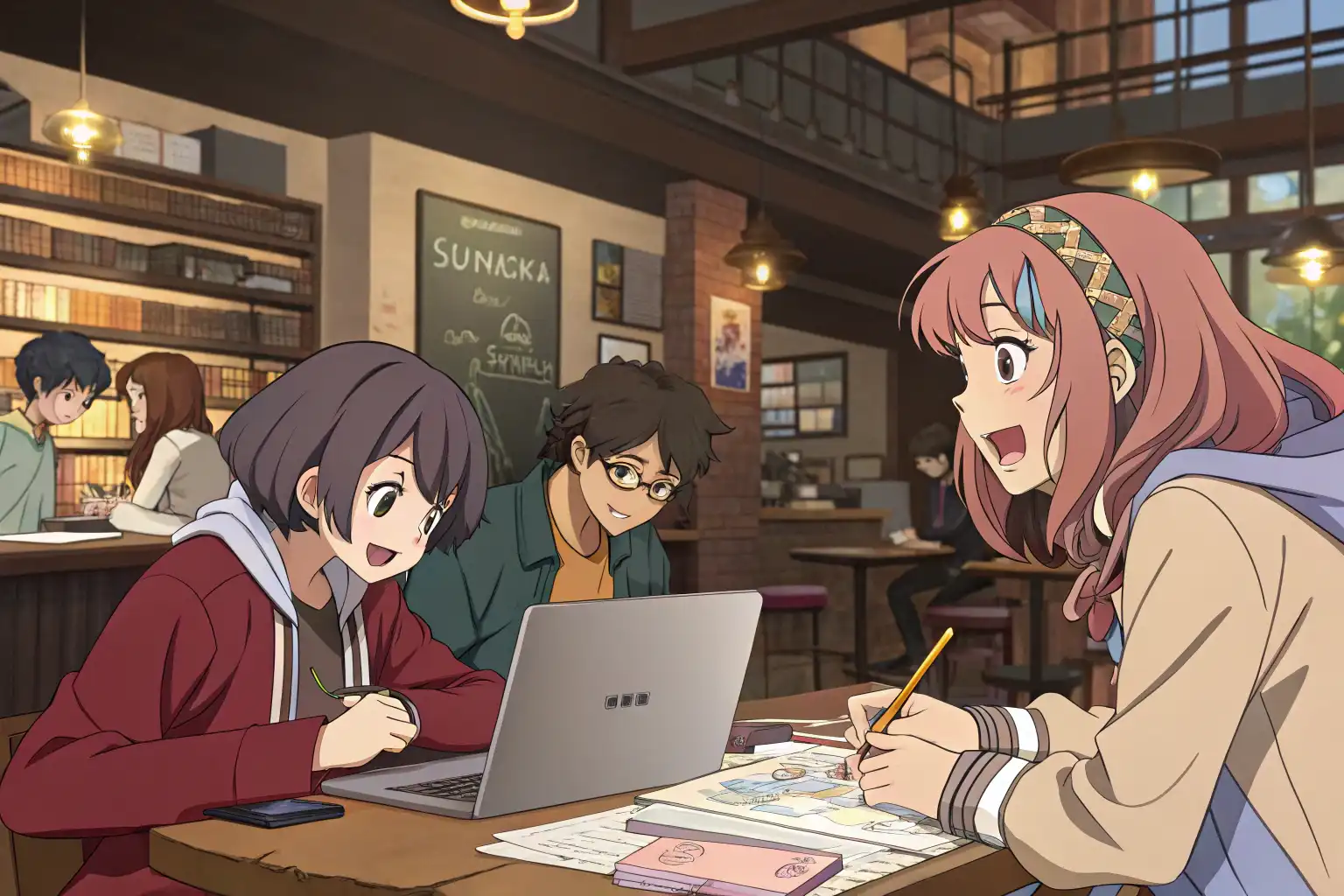
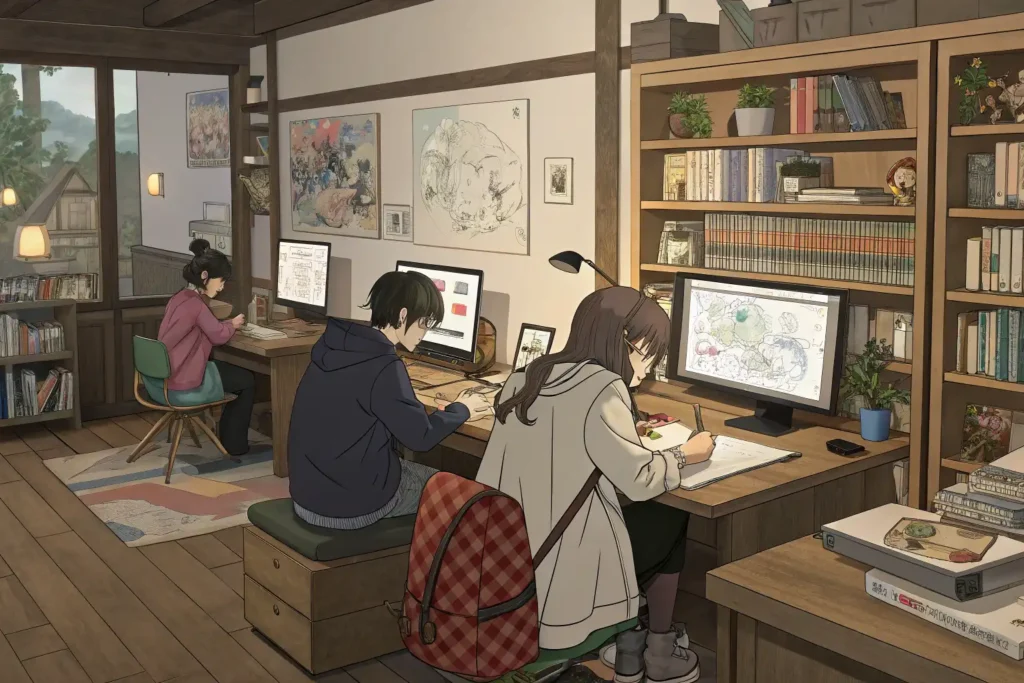
The intersection of anime fandom and interactive storytelling has given rise to one of the most vibrant creative movements on the internet: fan-made visual novels, commonly known in dev circles as Anime FMVL. These are independently crafted, narrative-driven games inspired by beloved anime universes, built not by professional studios, but by passionate communities of writers, artists, programmers, and composers who collaborate across forums, Discord servers, and project management platforms.
What makes Anime FMVL so compelling is not just the content itself, the branching storylines, hand-drawn character sprites, and emotionally resonant soundscapes, but the ecosystem of creativity that sustains it. Whether you are a seasoned developer or a first-time creator with nothing more than a story idea and an anime obsession, how these communities function can mean the difference between a project that fizzles out in week two and one that ships a polished demo to thousands of eager players.
The Morphic Studio shares information about the environments of fan-made visual novel communities, how to negotiate them strategically, and how to turn your anime-inspired idea into a collaborative, living project.
What Is Anime FMVL?
Anime FMVL stands for fan-made visual novels rooted in anime attractive, lore, or original narratives that draw heavily from anime conventions. Think of it as fan fiction, but raise into an interactive medium. A player doesn’t just read, they make choices, follow character routes, and experience outcomes shaped by their decisions.
These projects range from short two-hour romances set in school settings reminiscent of Toradora or Clannad, to sprawling multi-route mysteries inspired by titles like Higurashi When They Cry. The tools most commonly used are accessible and free, with Ren’Py being the dominant engine of choice due to its Python-based scripting system and an enormous support community built around it.
What separates Anime FMVL from professional game development is the community-driven model. There are no publishers, no salary structures, and no guaranteed timelines. What there is, instead, is a deeply motivated network of individuals who share skills, offer feedback, recruit teammates, and sometimes form friendships that outlast the projects themselves.
Basic Communities Every FMVL Developer Should Know
where your peers live online is the first strategic step in launching a fan-made visual novel. Each platform has its own culture, strengths, and best use cases.
Lemma Soft Forums (LSF)
Lemma Soft Forums is widely considered the primary hub for visual novel development, particularly for those using Ren’Py. It is organized, long-standing, and packed with developers at every skill level. For FMVL creators, two sections are for the most part critical.
The “Recruitment & Services Offered” board is where you post when you need artists, writers, programmers, or musicians for your project. A well-crafted recruitment post here can attract genuine talent within days. Meanwhile, the “Works in Progress” board lets you share your project publicly, gather early feedback, and build an audience before you even have a demo ready. There is also a dedicated “Demos & Beta Testing” section where finished builds can be uploaded and reviewed by community members who specialize in constructive critique.
LSF also hosts NaNoRenO, an annual game jam that challenges developers to build a complete visual novel in one month. For newcomers, this is arguably the best possible entry point. The jam provides structure, accountability, and an automatic audience, three things that independent projects often lack.
Fuwanovel Forums
Fuwanovel started primarily as a translation and fan localization hub, but its “Fan Project & Translation Discussion” board has grown into a solid resource for original FMVL development as well. It offers detailed guides on scoping projects, an often-underestimated skill, and the community tends to have a strong appreciation for narrative quality and localization sensibility, making it a good fit for story-heavy anime projects.
Starting a thread here is best done with a clear project vision already in hand. Fuwanovel’s community responds well to developers who demonstrate that they have thought through their concept before asking for help.
Reddit: r/visualnovels and r/vndevs
Reddit serves a dual purpose. The r/visualnovels subreddit is largely a player community, which makes it perfect for gauging audience interest, sharing announcement trailers, and getting unfiltered reactions to your concept. Meanwhile, r/vndevs leans toward creators and is more appropriate for recruiting collaborators, sharing development milestones, or asking technical questions.
Game jam announcements and project showcases tend to perform well on both subreddits, for the most part when paired with striking visual assets. Reddit’s upvote system also means that compelling projects can gain organic visibility without any promotional budget.
Discord Servers
Discord has become the real-time nervous system of the FMVL community. Unlike forums, which are better suited for structured posts and long-form discussion, Discord enables instant collaboration, voice chats for brainstorming sessions, shared channels for feedback, and direct messaging for one-on-one communication with potential collaborators.
There are niche Discord servers dedicated to specific anime franchises like Higurashi or Yuzusoft, which are ideal if your project is directly inspired by one of those series. More broadly, searching for “visual novel dev” or “anime game development” on Discord Discovery will surface general servers where cross-project collaboration is common. Many of these servers have dedicated job boards, critique channels, and resource repositories.
A Practical Comparison of FMVL Communities
The table below summarizes the strengths, primary use cases, and ideal user types for each major platform.
Platform
Best For
Primary Use Case
Ideal User Type
Real-Time?
Lemma Soft Forums
Ren’Py developers
Recruitment, WiP sharing, beta testing
All skill levels
No
Fuwanovel Forums
Story-driven projects
Project scoping, translation discussion
Writers, narrative designers
No
r/visualnovels
Audience engagement
Feedback, announcement, visibility
All levels, player-facing
No
r/vndevs
Developer networking
Collaboration, technical questions
Developers, artists
No
Discord Servers
Real-time collaboration
Daily communication, task coordination
Active team members
Yes
Step-by-Step: How to Use Communities Effectively
Knowing where the communities are is only half the battle. The other half is knowing how to negotiate them with purpose.
Step 1 — Define Your Scope Before You Post Anything
The most common mistake new FMVL developers make is posting a recruitment thread before they have defined what they are actually building. Communities can smell an underprepared pitch from a mile away, and a vague call for “anyone who wants to make a visual novel with me” will rarely attract serious talent.
Before writing a single forum post, decide on your project’s length (a short two-to-three hour experience is highly recommended for first projects), genre (school romance, supernatural mystery, slice-of-life), and distribution model (free releases are more community-friendly and sidestep IP complications for fan works). Having this information ready signals professionalism and respects the time of potential collaborators.
Step 2 — Recruit With Intention
When you are ready to post, lead with writers rather than artists. This might seem counterintuitive given how visually driven visual novels are, but narrative infrastructure needs to exist before artists can produce contextually meaningful assets. A well-developed script tells an artist exactly what emotions, settings, and character expressions are needed.
Your recruitment post should list specific roles with equally specific requirements. Rather than saying “looking for an artist,” specify the style you need, how many sprites are expected, and the project timeline. Requesting work samples or even a short paid test task significantly improves the quality of applicants. Use private messages to follow up with the most promising candidates personally,it shows investment and builds rapport before the collaboration even begins.
Prioritize passion and organizational reliability over raw skill. A moderately talented collaborator who communicates daily and meets deadlines is worth ten technically gifted contributors who go silent for weeks at a time.
Anime fmvl
Step 3 — Share Progress Consistently
Fan-made projects live or die by community investment. The more you share, the more stakeholders you create, people who are rooting for your success and will spread the word when you launch. Upload work-in-progress screenshots to LSF’s Works in Progress board, share character art on Reddit, tease story beats in Discord channels.
When you have a playable demo, upload it to itch.io and cross-post across your communities. Itch.io is the preferred distribution platform for FMVL projects because it supports pay-what-you-want pricing, has an active indie and visual novel audience, and integrates cleanly with community announcements.
Step 4 — Use the Right Collaboration Tools
Internal project management is just as important as external community engagement. For asset and script organization, Google Drive offers free, accessible cloud storage that the entire team can access without installing additional software. Trello is an excellent free tool for task management, create boards for writing, art, music, and coding, then assign cards to specific team members with deadlines.
For day-to-day communication, Discord remains the standard. Set up a dedicated server for your project with channels organized by department. Voice channels for weekly check-ins keep morale high and ensure everyone feels like part of a team rather than a freelancer in isolation.
Step 5 — Handle Challenges Proactively
No FMVL project runs without turbulence. Team dropouts are the single most common cause of project failure. Plan for them by keeping documentation thorough enough that a replacement contributor can onboard quickly. Maintain a clear project hierarchy so that decisions can be made without requiring unanimous agreement, ambiguity breeds stagnation.
Communicate daily, even if only briefly. A simple update in your team Discord like “finished the Act 2 script draft” maintains momentum and reminds everyone that the project is alive. And always, always respect intellectual property. Fan works exist in a legal grey area, and projects that blatantly monetize copyrighted material or make misleading claims about official affiliation risk takedown or worse.
Tips for Long-Term Success
Starting small is not a compromise, it is a strategy. Completing a short, focused project teaches you more about development than planning an ambitious one that never ships. NaNoRenO on Lemma Soft is the perfect training ground: one month, one game, real accountability.
Prioritize writing above everything else. A finished script is the skeleton from which all other production decisions grow. Visual assets can be produced incrementally; a missing script stalls the entire pipeline.
Engage with other developers’ projects too. Play demos, leave feedback, offer encouragement. Community goodwill is a real currency in these spaces, and the developers you support today may be the collaborators or beta testers you need tomorrow.
Finally
Anime FMVL represents something genuinely special in the digital creative environment, a fusion of storytelling passion, technical skill, and community generosity that produces experiences no professional studio could have predicted or manufactured. The communities that sustain these projects, from the structured threads of Lemma Soft to the rapid-fire channels of Discord, are not just tools; they are communities. They are the medium itself.
By approaching these communities with preparation, respect, and consistent engagement, you give your fan-made visual novel its best possible chance of becoming something people will remember long after they close the final scene. Start small, communicate openly, celebrate every milestone, and trust the process. Your story deserves to be told, and there is an entire community ready to help you tell it.
Augmented Reality News: 7 Exclusive Breakthroughs for an Incredible Year | The Morphic Studio
Navigating the Latest Augmented Reality News Environment Welcome to another exciting deep dive into the statistical universe brought to you by The Morphic Studio. If you have been keeping up with tech headlines lately, you already know that statistical overlays and spatial computing are changing how we interact with our physical surroundings. The year 2026 […]
September 1, 2026
VR Horror Games: 13 Incredible Titles for a Brutal Scare – The Morphic Studio
Welcome to the ultimate guide for anyone looking to test their nerves inside a headset. When you strap a display to your face, flat screen rules no longer apply. VR Horror Games You are no longer watching a character run from danger on a distant monitor, because you are right there in the middle of […]
August 31, 2026
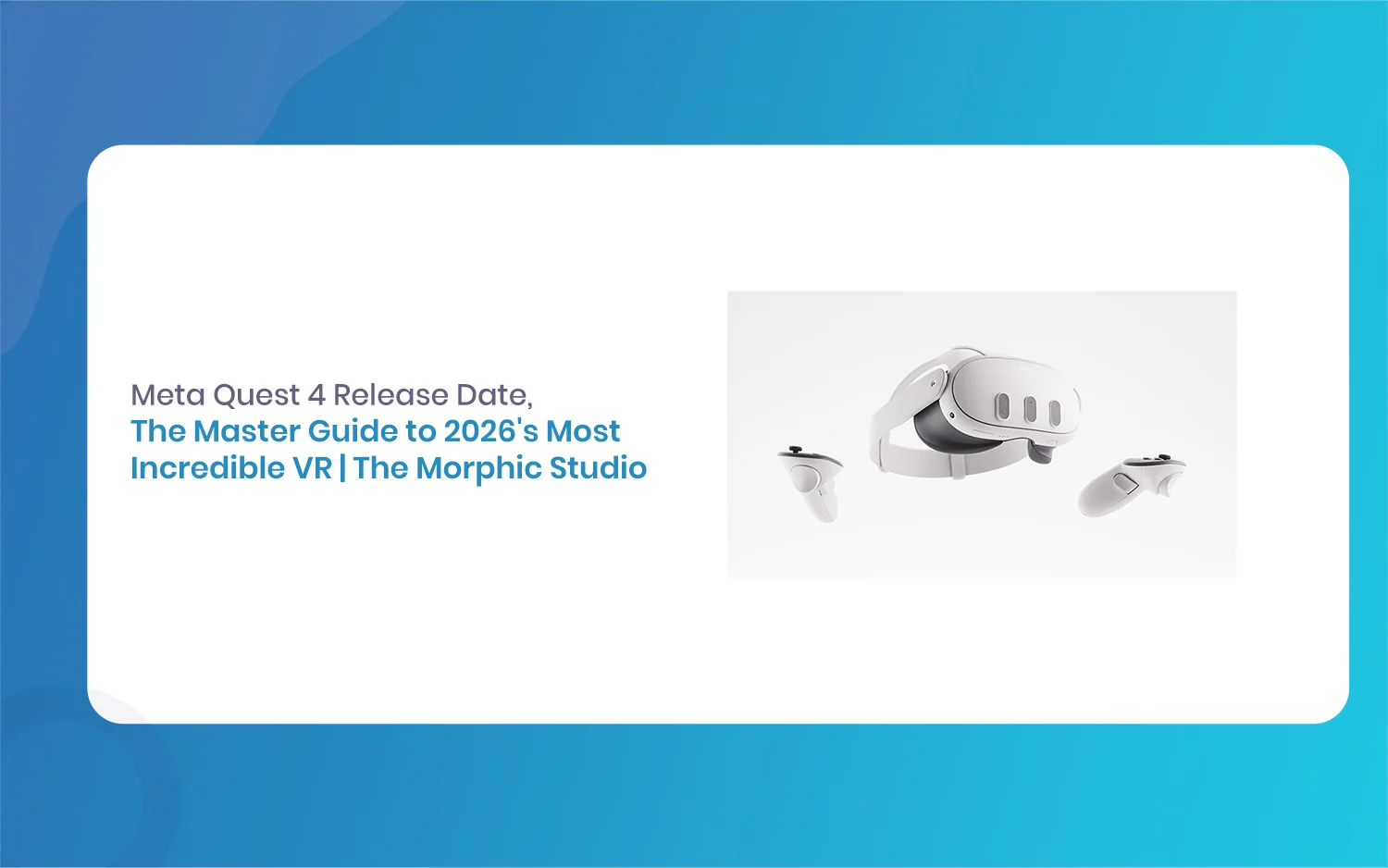
Meta Quest 4 Release Date: The Master Guide to 2026’s Most Incredible VR | The Morphic Studio
Virtual reality has traveled a long road over the last few years. We have moved from bulky, tethered headsets that needed expensive gaming computers to sleek, standalone machines that fit right inside a small travel backpack. If you follow immersive technology here at The Morphic Studio, you already know that Meta has been leading the […]