The world of 3D printing has revolutionized how we approach design and fabrication, offering unprecedented opportunities to bring complex, articulated models to life. The Morphic Studio share the intricate process of creating 3D Modeling a Flexible Animal models that can bend, twist, and move—pushing the boundaries of traditional 3D printing techniques.
Follow Flexible 3D Modeling
Flexible 3D modeling is an advanced technique that requires a blend of artistic vision and technical precision. Unlike rigid models, flexible designs demand careful consideration of movement, material properties, and structural integrity.
Why Create Flexible Animal Models?
Demonstrate complex mechanical interactions
Take a look at innovative design possibilities
Create educational and interactive prototypes
Develop unique toys and collectibles
Essential Prerequisites
Tools and Software
Before beginning your 3D Modeling a Flexible Animal ride, ensure you have the following:
Tool Category
Suggested Options
Purpose
3D Modeling Software
Fusion 360, Blender, SolidWorks
Initial model creation
Slicing Software
Bamboo Studio, Prusaslicer
Preparation for 3D printing
Reference Material
Networked image repositories
Design inspiration and tracing
3D Printer
FDM or SLA printers with flexible material support
Final production
Material Considerations
Choosing the right material is crucial for creating flexible animal models. TPU (Thermoplastic Polyurethane) stands out as the premier choice, offering:
High elasticity
Strong durability
Excellent layer adhesion
Resistance to mechanical stress
Step-by-Step 3D Modeling Process
1. Animal Selection and Research
Choosing the right animal is your first critical decision. Ideal candidates include:
Snakes: Natural segmented bodies
Octopuses: Complex, fluid movement
Dinosaurs: Intricate joint structures
Mammals with articulated spines
2. Reference Image Collection
Gather high-quality 2D references:
Use search terms like “2D animal silhouette”
Seek clear, simplified outlines
Prioritize images with distinct anatomical features
3. Base Sketch Creation
In your 3D modeling software:
Import reference images
Create a new document
Trace animal outline using precision tools
Focus on maintaining proportional accuracy
4. Defining Flexibility Zones
Identify and mark potential flex points:
Locate natural joint expanses
Create at least three distinct segments
Use line tools to mark potential movement regions
5. Implementing Flexibility Mechanisms
Technical strategies for creating movement:
Add small gaps between segments (approximately 0.1 inches)
Use offset tools for precise spacing
Ensure structural connectivity
Round corners to reduce stress points
6. Model Refinement Techniques
Enhance your model’s flexibility:
Apply fillet tools to smooth edges
Constrain components to prevent unintended movement
Test virtual articulation before printing
7. Printing Preparation
Critical pre-printing steps:
Export model in STL format
Configure slicer settings
Adjust infill percentage
Add necessary support structures
Select appropriate print orientation
3D Modeling a Flexible Animal By The Morphic Studio
Advanced Troubleshooting
Common Challenges and Solutions
Rigid Segments: Increase gap sizes between sections
Weak Joints: Modify fillet radii
Printing Difficulties: Adjust temperature and print speed
Networked Resources
Expand your knowledge through:
Thingiverse
MyMiniFactory
3D printing forums
Specialized design communities
Finally
Creating 3D Modeling a Flexible Animal models is an intricate art form that combines technical skill, creativity, and an Follow of mechanical principles. By following this complete guide, you’ll be equipped to transform statistical designs into remarkable, articulated physical models.
How To Create A Pink Ghost Vector Art, Icons, and Graphics for Beginner
If you want to add a soft, trendy vibe to your portfolio, create a whimsical Pink Ghost for branding, sticker sets, or NFT art. This guide shows you every step, from sketching the base shape to exporting finished icons. You don’t need advanced skills or expensive tools; free apps like Inkscape or popular ones like […]
March 12, 2026
How To Create Songket Riau Carving – Itik Sekawan
The Riau archipelago, often hailed as the cradle of Malay Society, is a land where art is never just decorative. It is a language. From the intricate threads of Songket Riau to the rhythmic strokes of wood carving (ukiran kayu), every curve and notch tells a story of faith, social harmony, and nature. Among the […]
March 9, 2026
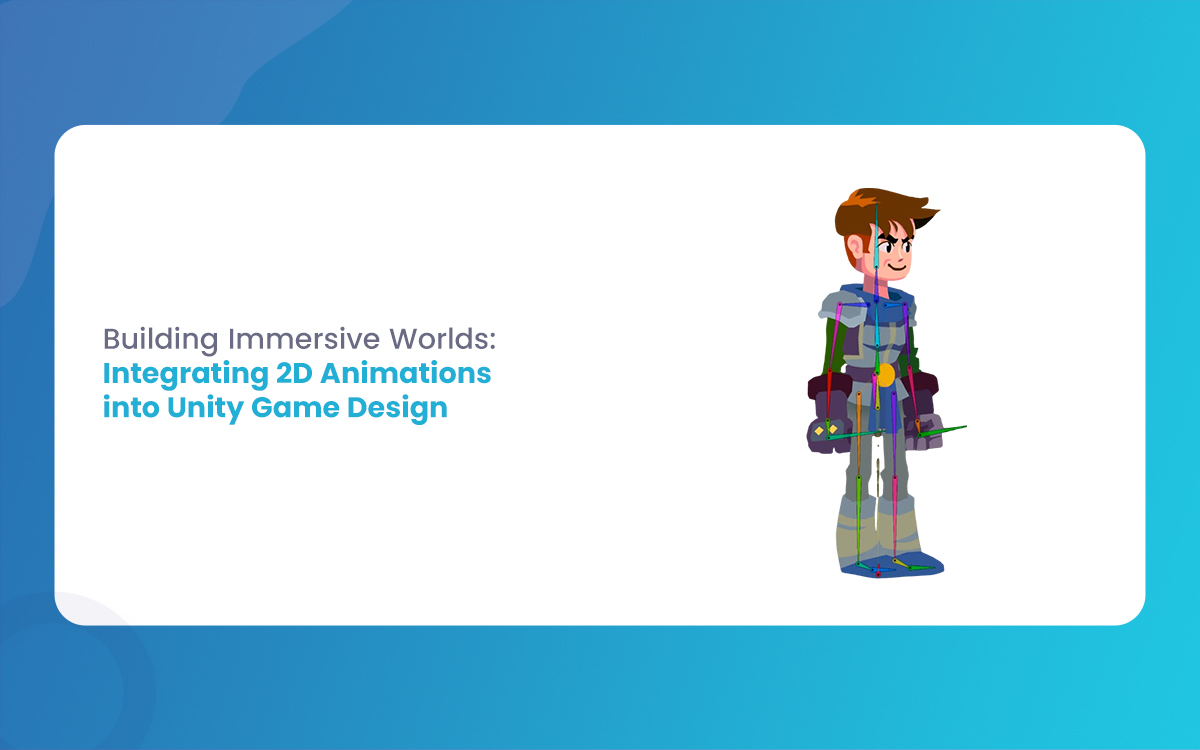
Building Immersive Worlds: Integrating 2D Animations into Unity Game Design
In the modern gaming environment, the distinction between “2D” and “3D” has blurred into a spectrum of stylistic choices rather than a hierarchy of quality. While 3D graphics often chase the horizon of photorealism, 2D animation remains the heart of expressive, artistic, and tactile game design. From the hand-drawn elegance of Cuphead to the pixel-perfect […]